Quick Answer
When should garage door weather seals be replaced?
Replace the seal once it is cracked, flattened, brittle, or no longer makes continuous contact with the floor, which shows up as daylight, drafts, or water at the threshold. Bottom seals typically last five to ten years depending on exposure. There are four types: bottom astragal, threshold seals bonded to the slab, perimeter stop-molding seals, and between-panel seals. Match the replacement to the retainer profile on your door, since T-style and bead-style retainers are not interchangeable.
Garage doors provide a critical layer of protection for your home. However, they are also subjected to various elements, such as rain, snow, wind, and even extreme temperatures. To ensure your garage remains dry, comfortable, and energy-efficient, weather seals are an essential part of your garage door system. In this guide, we will explore everything you need to know about garage door weather seals, from their importance to installation and maintenance.
What Are Garage Door Weather Seals?
Garage door weather seals are flexible rubber or vinyl strips that are attached to the bottom and sometimes the sides of your garage door. They create a barrier between your garage and the outside environment, preventing drafts, moisture, dust, and pests from entering. Weather seals also help to reduce your heating and cooling costs by providing insulation.
The most common types of weather seals are:
- Bottom Seal: This is the strip attached to the bottom of the garage door, sealing the gap between the door and the floor.
- Side and Top Seals: These seals run along the sides and top of the door to further prevent drafts and moisture from entering the garage.
Why Are Weather Seals Important?
Weather seals play several critical roles in maintaining the functionality of your garage. Here’s why they are so important:
1. Preventing Water Damage
One of the most significant benefits of a weather seal is its ability to prevent water from entering your garage. Water from rain or melting snow can cause damage to your garage floor, stored items, and even lead to the growth of mold and mildew. By keeping moisture out, weather seals protect your home from costly water damage.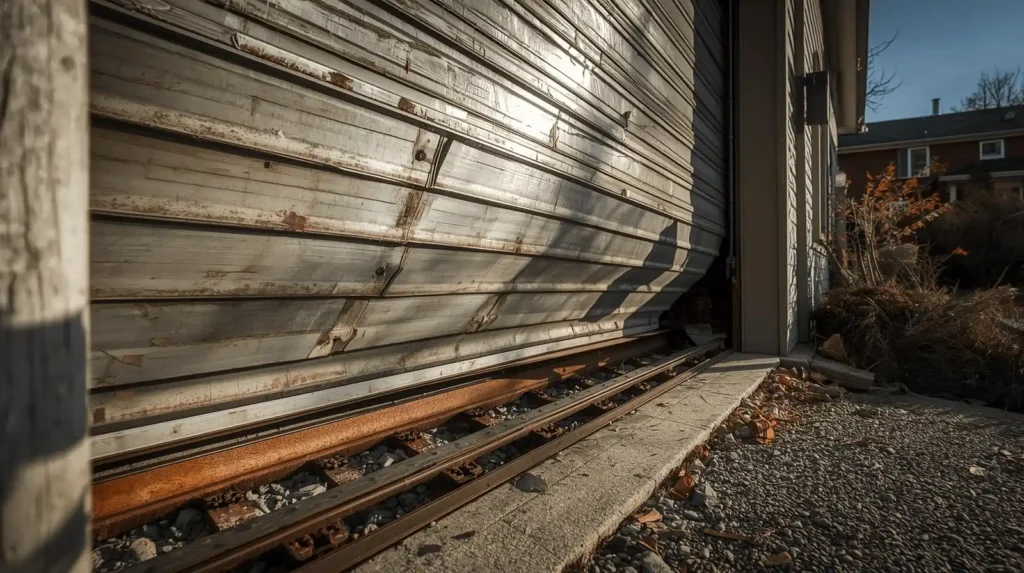
2. Improving Energy Efficiency
A significant amount of heat can escape through gaps in your garage door. Weather seals help to prevent this heat loss, making your garage more energy-efficient. This is particularly important if you use your garage as a workspace or for storage of temperature-sensitive items.
3. Protecting Against Pests
If you live in an area prone to insects or rodents, weather seals act as a barrier to prevent pests from entering your garage. Keeping the garage door sealed reduces the chance of these unwanted visitors making their way inside.
4. Enhancing Comfort
Weather seals also help maintain a more consistent temperature inside your garage by blocking out cold drafts in the winter and preventing hot air from entering in the summer. This improves the overall comfort of the space and makes it more usable year-round.
Types of Weather Seals
There are several different types of weather seals available, each designed for specific needs and applications. Let’s look at the most common options:
1. T-Style Seals
T-style weather seals are a popular choice for many homeowners. They have a T-shaped profile that fits snugly into the groove at the bottom of the garage door, providing an excellent seal.
2. U-Channel Seals
U-channel seals are designed to fit inside the tracks on either side of the garage door. They are commonly used for side and top seals, offering protection against drafts, moisture, and insects.
3. Bulb Seals
Bulb seals feature a rounded, bulbous shape and are designed to compress when the garage door closes, creating a tight seal. These are ideal for the bottom of the door, especially if you want a durable and flexible seal.
4. Retainer and Seal Systems
Some weather seals are sold as part of a retainer system, which helps hold the seal in place. This is a good option if you want a more permanent solution or if your garage door frame has been damaged.
How to Install Garage Door Weather Seals
Installing garage door weather seals is relatively simple, but it’s important to do it correctly to ensure a tight, effective seal. Here’s how to do it:
1. Measure the Length of the Door
Before purchasing a weather seal, measure the width and height of your garage door. Most weather seals are sold in standard lengths, but it’s important to ensure the product you choose fits properly.
2. Remove the Old Seal (If Applicable)
If you are replacing an old or damaged weather seal, carefully remove the existing seal. You may need to use a screwdriver or pliers to remove any fasteners.
3. Prepare the Door
Clean the surface of the door where the new weather seal will be attached. This ensures that the seal adheres properly and doesn’t become damaged prematurely.
4. Install the New Seal
For bottom seals, simply slide the new weather seal into the groove at the bottom of the door and secure it in place. For side and top seals, insert them into the track or retainer and press them tightly against the door.
5. Trim to Fit (If Necessary)
If your seal is too long, trim it to fit with a utility knife. Make sure the seal fits snugly into place, leaving no gaps where air or water could seep through.
How to Maintain Garage Door Weather Seals
Proper maintenance of your garage door weather seals will help extend their lifespan and ensure they continue to perform effectively. Here’s how to maintain them:
1. Clean the Seals Regularly
Dirt and debris can accumulate on the weather seals, reducing their effectiveness. Clean the seals with a mild soap solution and a soft cloth to remove dirt and prevent damage.
2. Inspect for Damage
Check the weather seals periodically for any signs of wear, cracks, or tears. If you notice any damage, replace the seals immediately to maintain optimal performance.
3. Lubricate the Seals
Apply a silicone-based lubricant to the seals occasionally to keep them flexible and prevent them from becoming brittle or cracking. This is especially important for seals that are exposed to harsh weather conditions.
4. Replace When Necessary
Over time, weather seals can become worn out due to exposure to the elements. If you notice the seals no longer fit properly or aren’t providing a tight seal, it’s time to replace them.
Conclusion
Garage door weather seals are a small but crucial component of your garage door system. They protect your home from the elements, improve energy efficiency, and help keep pests at bay. Regular maintenance and timely replacement of weather seals can help ensure that your garage door operates smoothly and efficiently. If you’re unsure about the condition of your weather seals or need assistance with installation or repairs, contact us for a free estimate to get expert service and advice.