Quick Answer
How do I troubleshoot a garage door that will not work?
Check in this order. Power: is the opener plugged in and the breaker on? Controls: does the wall button work when the remote does not, which points to a remote battery. Sensors: is either photo-eye light blinking, indicating misalignment or an obstruction? Travel limits: does the door reverse just before it closes? Then look for mechanical failure, such as a gap in the torsion spring or a slack cable. Stop at that last step and call a technician.
Garage doors are an essential part of any home, offering security, convenience, and protection for your vehicle and belongings. However, like any mechanical system, garage doors can occasionally face problems. For those who aren’t familiar with garage door systems, troubleshooting can seem overwhelming. But fear not—this guide will walk you through some basic garage door troubleshooting steps that can help you diagnose and fix common issues.
Understanding the Basics of Your Garage Door System
Before diving into troubleshooting, it’s important to understand the basic components of a garage door system. A typical system includes the following elements:
- Garage Door: The actual door that opens and closes.
- Opener: The motorized mechanism that controls the door’s movement.
- Springs: These help lift the door and counterbalance its weight.
- Sensors: Safety devices that prevent the door from closing on objects or people.
- Tracks and Rollers: Guide the door as it opens and closes.
Now, let’s dive into some common issues and how you can troubleshoot them.
Garage Door Won’t Open or Close
One of the most frustrating issues is when your garage door refuses to open or close. Several factors can contribute to this issue.
1. Check the Power Source
First, check if the garage door opener is receiving power. Ensure that it’s plugged in properly, and if necessary, check the circuit breaker. A tripped breaker or a blown fuse could be the cause.
2. Inspect the Remote Control and Wall Switch
If your garage door opener is receiving power but still not working, check your remote control and wall switch. Sometimes, the battery in the remote may be dead, or there may be a problem with the wall switch.
How to fix it:
- Replace the battery in the remote.
- Press the wall switch to see if it works. If not, check the wiring for any loose connections or call a professional to inspect the electrical components.
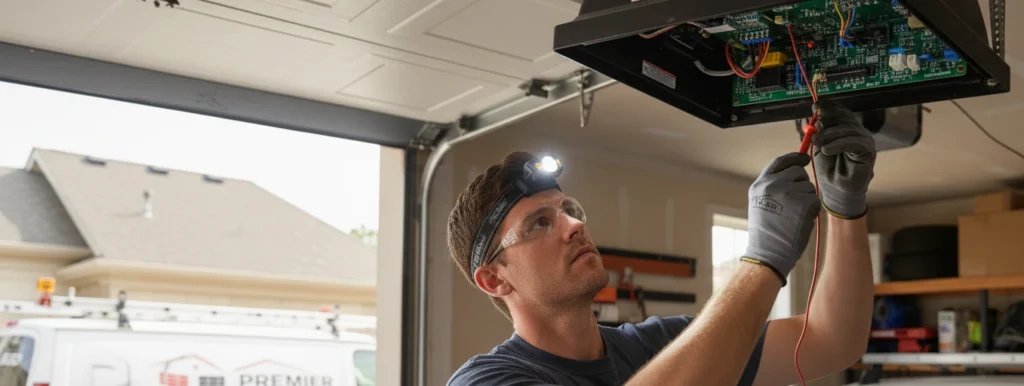
3. Examine the Sensors
Garage door sensors are essential for preventing the door from closing on objects or people. If the sensors are misaligned or obstructed, they may prevent the door from operating correctly.
How to fix it:
- Clean the sensor lenses to remove any dust or debris.
- Ensure both sensors are aligned. The sensors should face each other directly and have a clear line of sight.
4. Check the Springs
The springs are a vital part of the garage door system, helping to lift and lower the door. If the springs are broken or damaged, the door won’t open or close properly.
How to fix it:
- Never attempt to repair or replace the springs yourself. They are under high tension and can be dangerous. Contact a professional to replace the springs.
Garage Door Opens but Won’t Close
If your garage door opens but doesn’t close all the way, or it reverses direction before fully closing, this could be due to several issues.
1. Sensor Issues
As mentioned earlier, the sensors could be misaligned or blocked, which prevents the door from closing completely.
How to fix it:
- Clean and align the sensors, ensuring there’s no obstruction.
2. Track Issues
If the garage door is misaligned in the tracks or the tracks are damaged, the door may not close properly.
How to fix it:
- Check the tracks for any obstructions or bends. If you find any, carefully remove the debris or use a hammer to straighten the tracks.
- If the tracks are damaged, you may need to replace them or call a professional for repairs.
3. Limit Switch Settings
The limit switch controls how far the door travels before stopping. If the limit switch is set incorrectly, it could cause the door to stop prematurely.
How to fix it:
- Refer to your garage door opener manual to adjust the limit switch settings. If you’re not comfortable doing this yourself, a professional can assist with the adjustment.
Noisy Garage Door
A noisy garage door can be a sign that something isn’t working properly, or it could just be a sign that the door is in need of some maintenance.
1. Lubricate Moving Parts
One common reason for a noisy garage door is the lack of lubrication on the tracks, rollers, and springs.
How to fix it:
- Use a silicone-based lubricant to lubricate the moving parts, such as the tracks, rollers, and springs. This will reduce friction and noise.
2. Check the Rollers
Over time, the rollers can become worn out or damaged, causing the door to make noise when opening or closing.
How to fix it:
- Inspect the rollers and replace them if necessary. If you’re unsure about how to replace them, consult a professional.
3. Tighten Loose Hardware
Loose bolts or screws on the garage door opener or other parts of the system can cause vibrations and noise.
How to fix it:
- Use a wrench or screwdriver to tighten any loose hardware on the door, tracks, or opener.
Garage Door Slams Shut
If your garage door slams shut rather than lowering slowly and smoothly, this could be due to issues with the springs or the opener’s force settings.
1. Inspect the Springs
If the springs are worn out or broken, the door may close too quickly or unevenly, causing it to slam shut.
How to fix it:
- If you suspect the springs are the issue, it’s best to call a professional for a proper diagnosis and repair.
2. Adjust the Force Setting
Garage door openers have a force setting that controls how much pressure is needed to move the door. If the force setting is too high, the door may close too quickly and slam shut.
How to fix it:
- Refer to the garage door opener manual to adjust the force settings.
When to Call a Professional
If you’ve gone through these troubleshooting steps and your garage door still isn’t working properly, it may be time to call in a professional. A garage door expert can diagnose and repair any complex issues, ensuring your door operates smoothly and safely.
For reliable garage door services in Moses Lake, WA, contact us for a free estimate to get your garage door back in perfect working condition.