Quick Answer
Why will my garage door not close, and what do the sensor lights mean?
A door that refuses to close and reverses immediately almost always has a photo-eye fault. A steady light on both units means the beam is intact. A blinking or dark light means misalignment, a blocked lens, a loose wire, or direct sunlight washing out the receiver. Clean both lenses, loosen the brackets and realign until both lights hold steady, then check for pinched or corroded wiring. Sensors must sit within six inches of the floor to work as intended.
When your garage door refuses to open or close properly, it can be frustrating. One common issue that homeowners face is malfunctioning garage door sensors. These sensors are essential for the smooth operation of your door, ensuring it works safely and efficiently. If you’re experiencing issues with your garage door sensors, it’s crucial to identify the underlying causes and understand how to fix them.
Understanding Garage Door Sensors
Before diving into the causes and fixes, it’s helpful to understand how garage door sensors work. These sensors, also known as photo-eye sensors, are located on either side of the garage door. They emit an invisible infrared beam across the door’s opening. If something obstructs the beam, the door will reverse its direction to prevent any potential accidents.
This safety feature is vital, especially if you have children or pets around. If these sensors malfunction, the door may not open or close as expected, creating a safety hazard.
Common Causes of Garage Door Sensor Malfunctions
There are several reasons why your garage door sensors might stop working. Some of the most common causes include: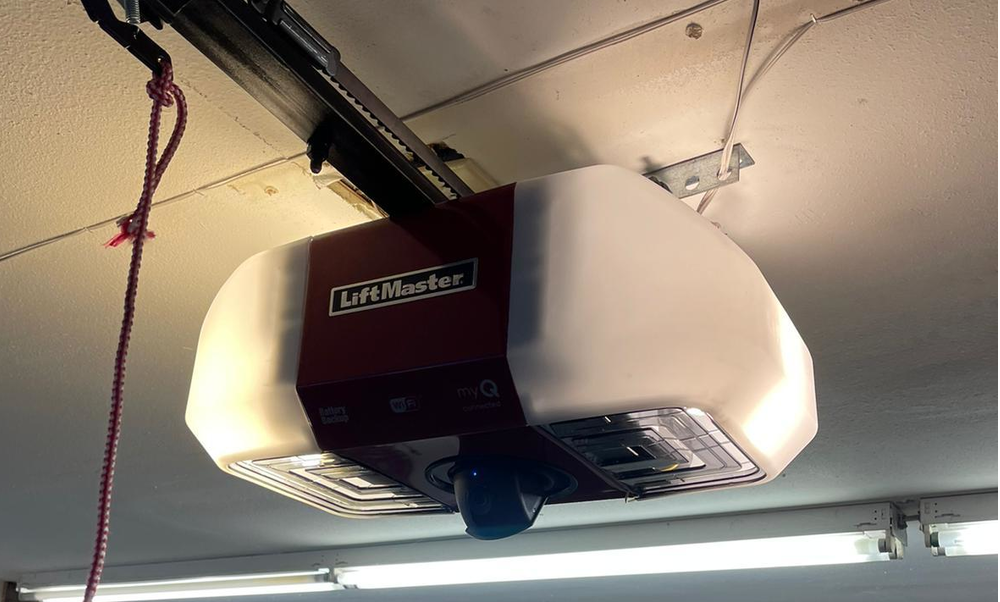
1. Dirty or Obstructed Sensors
One of the most common issues with garage door sensors is dirt or debris blocking the sensor’s infrared beam. Dust, spider webs, or leaves can accumulate on the lens, preventing the sensors from properly detecting the beam. Even slight misalignments can cause the sensors to fail.
How to Fix It:
- Check both sensors to ensure nothing is blocking the beam.
- Use a soft cloth to wipe the lens clean. Avoid using harsh chemicals, as they could damage the sensors.
- Make sure the sensors are aligned correctly, facing each other directly.
2. Misaligned Sensors
Sometimes, the sensors may become misaligned due to vibrations, accidental bumps, or wear and tear over time. Misalignment can cause the sensor to send faulty signals, leading to malfunctioning garage door operation.
How to Fix It:
- Check if the sensors are facing each other. If not, carefully adjust them back into place.
- Ensure both sensors are securely mounted and aren’t loose.
3. Faulty Wiring or Connections
Loose or damaged wiring can interrupt the electrical signal between the sensors and the garage door opener. This could prevent the sensors from functioning correctly, causing the door to either fail to open or not close completely.
How to Fix It:
- Inspect the wiring for any visible signs of damage, such as frayed wires or loose connections.
- If you find any issues, it’s best to consult a professional to repair or replace the wiring.
4. Power Supply Issues
If the garage door opener isn’t receiving power, the sensors won’t work, either. Power outages, tripped circuit breakers, or faulty power connections can lead to sensor malfunctions.
How to Fix It:
- Check the circuit breaker to ensure the garage door opener is getting power.
- If the circuit breaker is fine, inspect the power source to ensure it’s functional. If there’s an issue, you may need an electrician to resolve the problem.
5. Broken or Malfunctioning Sensors
In some cases, the sensors themselves might be damaged or have internal malfunctions. If the sensors are old, their internal components might wear out, causing failure.
How to Fix It:
- If the sensors appear damaged or are not responding after troubleshooting, you may need to replace them.
- Consult a professional to ensure you select the correct replacement sensors and install them properly.
6. Improperly Set Sensors
Sometimes, the sensor’s settings may become misconfigured, causing improper functioning. This could happen if the system was tampered with or underwent an unintentional reset.
How to Fix It:
- Refer to your garage door opener manual for the correct sensor settings.
- If needed, reset the system or consult a professional to ensure everything is calibrated correctly.
How to Test Garage Door Sensors
After performing the necessary fixes, it’s important to test the sensors to ensure they are working properly. Here’s how to check:
- Check the LED Lights: Most garage door sensors have LED indicators. If one of the sensors is malfunctioning, the light will either be off or blinking.
- Block the Beam: With the garage door opener active, block the sensor’s infrared beam by waving your hand in front of it. If the door reverses direction, the sensors are working correctly.
- Test the Door: Close the garage door while making sure nothing obstructs the sensors. If the door closes smoothly without reversing, your sensors are likely functioning as they should.
When to Call a Professional
While some minor fixes can be done on your own, certain issues require the expertise of a professional. If you’ve tried troubleshooting and the problem persists, or if you’re uncomfortable working with electrical components, it’s best to contact a garage door repair service.
Conclusion
Garage door sensor issues are quite common, but they are usually easy to diagnose and fix. Keeping your sensors clean and aligned, checking the wiring, and making sure the sensors receive proper power are essential steps in maintaining a well-functioning garage door system. If you’re still experiencing issues, don’t hesitate to seek professional help for a thorough inspection.
For a reliable garage door service in Moses Lake, WA, contact us for a free estimate and get your garage door back to perfect working condition!