Quick Answer
What are the most important garage door safety rules?
Five rules prevent most injuries. Test auto-reverse monthly by placing a solid object under the closing door. Keep photo-eyes clean, aligned, and mounted within six inches of the floor. Never walk or drive under a moving door. Keep remotes out of children’s reach and mount wall controls at least five feet up. And never attempt spring or cable work, since those components hold enough stored tension to cause life-changing injury.
Your garage door is an essential part of your home. It provides security, convenience, and ease of access to your garage, often functioning as the main entryway for your family and belongings. However, despite its importance, garage doors are often taken for granted when it comes to safety. A malfunctioning or poorly maintained garage door can pose significant risks to both your property and your loved ones.
In this blog, we’ll walk you through some important garage door safety tips every homeowner should know. By following these guidelines, you can help ensure that your garage door functions properly, safely, and efficiently for years to come.
Understanding Garage Door Safety
Garage doors are heavy and operate under high tension, making them powerful yet potentially dangerous if not maintained properly. Whether you’re using it multiple times a day or just occasionally, understanding the safety features of your garage door and recognizing potential hazards is essential for protecting both your home and family.
1. Regularly Inspect Your Garage Door
Routine maintenance is key to ensuring your garage door operates smoothly and safely. At least once every few months, visually inspect your garage door and its components for wear and tear. Some areas to check include:
- Tracks and Rollers: Make sure the tracks are aligned properly and that the rollers are not worn down or damaged.
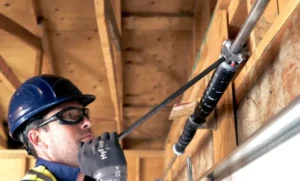
- Springs and Cables: The springs are under high tension and can cause serious injury if they break or malfunction. If you notice any issues, such as the door struggling to open or close, have it inspected by a professional.
- Weather Stripping: Check the weather stripping around the door for cracks, wear, or damage. This helps maintain your home’s energy efficiency and keeps the elements out.
This regular inspection allows you to catch potential issues before they become bigger problems.
2. Keep the Area Clear
One of the simplest but most important safety tips is to keep the area around your garage door clear. Ensure there are no obstructions that could interfere with its operation. This includes toys, tools, or vehicles parked too close to the door. Additionally, make sure children or pets stay clear when the door is in motion to avoid accidents.
You should also regularly check the sensors at the bottom of the garage door. These sensors are designed to detect any obstruction in the door’s path, automatically reversing the door to prevent injury or damage. If the sensors are obstructed or misaligned, it can prevent them from functioning correctly, creating a safety risk.
3. Test the Auto-Reverse Feature
The auto-reverse feature on modern garage doors is designed to stop the door from closing if it detects an obstruction, such as a person, pet, or vehicle. To ensure it’s working properly, you should regularly test it. Here’s how you can do it:
- Place a small object, such as a piece of wood or a roll of paper towel, in the door’s path.
- Close the door using the remote or wall switch.
- When the door comes into contact with the object, it should reverse direction immediately.
If the door doesn’t reverse as expected, the auto-reverse mechanism may need adjustment or repair by a professional.
4. Perform the Balance Test
A well-balanced garage door is safer and operates more efficiently. If the door is off balance, it can strain the opener and other components, leading to malfunctions and possible damage. To test the balance:
- Disconnect the door from the opener by pulling the emergency release cord (usually a red cord hanging from the trolley).
- Manually lift the door halfway and let go. If the door stays in place, it’s balanced. If it falls or rises, the springs may need adjusting.
It’s crucial to address any imbalance issues quickly, as improperly balanced doors can be difficult to operate and may put excess strain on the opener motor.
5. Never Attempt DIY Garage Door Spring Repair
Garage door springs are under extreme tension, and attempting to repair or replace them without proper training can be extremely dangerous. Many homeowners mistakenly attempt to repair broken springs themselves, but this should always be left to professionals. Springs can snap unexpectedly and cause serious injury or property damage if mishandled.
If you suspect a problem with the springs, such as difficulty opening the door or a noticeable gap, call a trained technician immediately. The repair requires specialized tools and expertise to handle safely.
6. Regularly Lubricate Moving Parts
Keeping the moving parts of your garage door well-lubricated helps reduce friction and prevent wear. The rollers, tracks, and hinges need regular lubrication to function smoothly. Use a silicone-based lubricant or a garage door lubricant spray (avoid WD-40 or oil-based products, which can attract dirt).
Lubrication should be part of your regular maintenance routine. Apply the lubricant to the rollers, hinges, tracks, and any other moving parts every 6-12 months.
7. Keep Your Garage Door Opener in Good Condition
Your garage door opener is responsible for automatically operating the door. It’s essential to ensure the opener is functioning correctly to prevent potential accidents. Here are some steps to take:
- Check the batteries: If your garage door opener is battery-powered, replace the batteries at least once a year.
- Test the opener: Test the opener by using the remote or wall button. If the door doesn’t respond correctly or operates slowly, there may be an issue with the opener or its motor.
If the opener begins to show signs of malfunction, it’s better to have it inspected and repaired before it leads to further damage.
8. Install Safety Sensors
Modern garage doors are equipped with safety sensors that prevent the door from closing if something is in its path. If your garage door doesn’t already have these sensors, consider having them installed. These sensors are required by law in many regions and are essential for minimizing the risk of injury or damage.
The sensors should be aligned and free of debris to function properly. Check the alignment regularly to ensure the sensors can detect obstacles accurately.
Conclusion
Garage door safety is often overlooked but is an essential aspect of maintaining a secure and functional home. By following these simple safety tips, you can significantly reduce the risk of accidents and ensure that your garage door operates smoothly. Regular inspection, proper maintenance, and prompt repair of any issues will keep your garage door running safely for years to come.
If you’re in Moses Lake, WA, and need assistance with garage door safety or any other service, don’t hesitate to reach out for a free estimate. Our team is here to help ensure your garage door is safe and functioning properly.